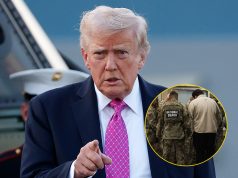
In late August 2025, the U.S. Navy launched a high-profile military deployment toward the Caribbean coast of Venezuela. The move, officially declared as part of an anti-cartel campaign, involves three guided-missile destroyers and several support vessels, with over 4,000 U.S. Navy personnel on board. While the Pentagon describes the operation as targeting transnational drug networks that operate in and around Venezuela, critics argue that it may represent a broader geopolitical maneuver under the Trump administration.
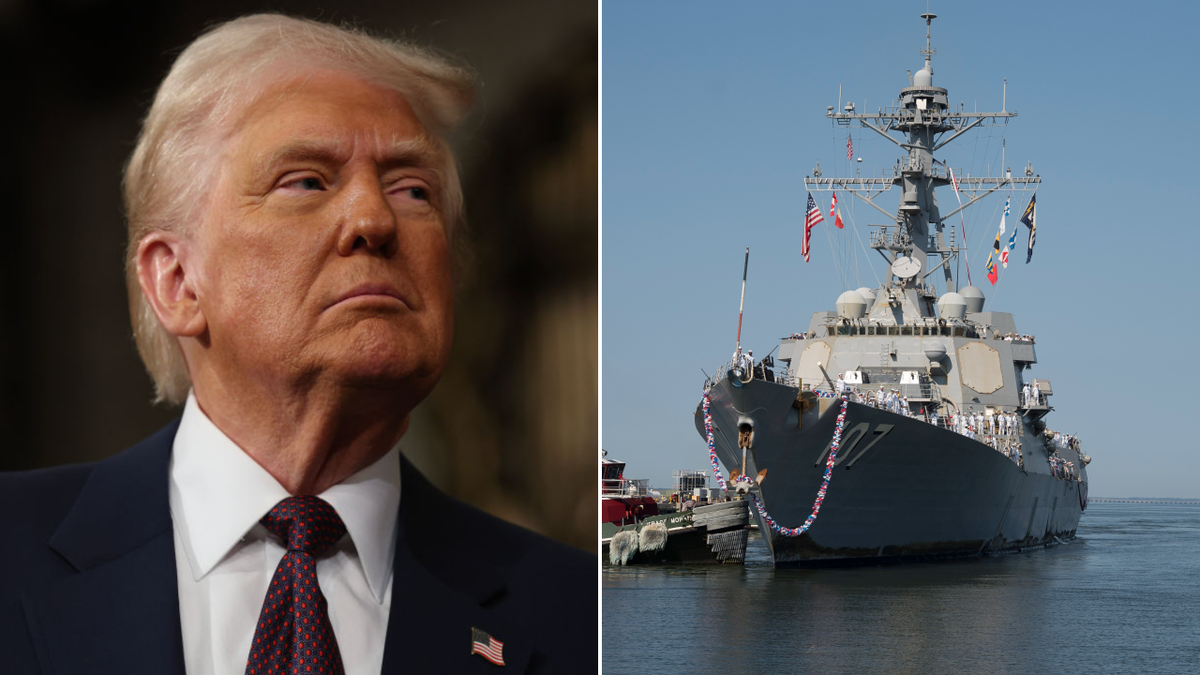
The decision to position naval forces so close to Venezuelan territory has escalated tensions in the region, sparking fears of confrontation between U.S. forces and the Venezuelan military. This is not the first time Washington has accused the Maduro government of being complicit in narco-traffic operations, specifically through the C@rtel de los S0les, a shadowy network of military and political figures allegedly involved in the drug trade. Venezuelan President Nicolás Maduro responded harshly, calling the deployment an “*!lleg@l and imperialistic threat.” He ordered the activation of Venezuela’s militia system, claiming over 4.5 million civilian reservists are now on standby.
In a televised speech, Maduro accused Washington of staging a “military provocation” to justify intervention and undermine his government ahead of the 2025 presidential elections. Meanwhile, Venezuela has started its own military mobilization. Defense Minister Vladimir Padrino López announced that Venezuelan warships, coastal defense units, drones, and roughly 15,000 troops are now active along the Caribbean coast and the Colombian border. The operation, dubbed “Sovereign Shield,” aims to secure maritime routes, detect foreign incursions, and protect strategic assets. Adding another layer to the geopolitical puzzle is the response from global powers. China issued a formal statement urging the U.S. to de-escalate and respect Venezuelan sovereignty. Russia, although less vocal, has continued low-key military cooperation with Caracas, including defense technology exchanges and strategic consultations.
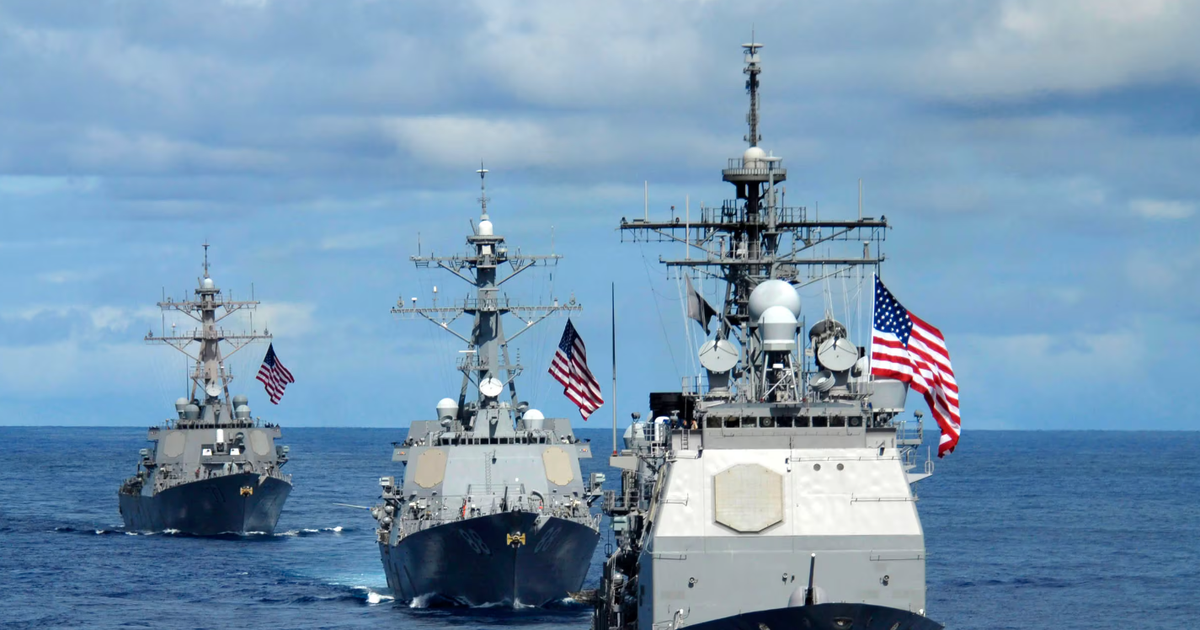 While Washington insists that the operation is not an invasion, many regional analysts question the timing and scale of the deployment. The Trump administration has doubled the bounty on Maduro’s arrest to $50 million, signaling a renewed effort to pressure or destabilize the regime. For critics of the U.S. move, the operation smacks of Cold War-era “gunboat diplomacy” dressed in the modern language of anti-narcotics enforcement. Human rights organizations have also expressed concern that a military standoff could worsen conditions for civilians already suffering from economic collapse and sanctions.